

In an increasingly digital world, the way we consume media is rapidly evolving. Streaming services have made it easier than ever to access a vast library of movies and TV shows from the comfort of our own homes. However, as the popularity of streaming grows, so do concerns about privacy and security. With the rise of streaming sticks like Fire TV and Android devices, more viewers are exploring the options available to enhance their streaming experience. One such method is using a Virtual Private Network, or VPN, which not only promises to bypass regional restrictions but also aims to secure personal data while streaming.
Understanding the legality and best practices of VPN usage is crucial for any streaming enthusiast. While many people wonder if using a VPN for streaming is legal, the answers can vary based on location and content rights. Additionally, combining a VPN with two-factor authentication adds an extra layer of security, helping to protect your account from unauthorized access. In this guide, we will delve into how a VPN routes your internet traffic for enhanced privacy, examine the policies surrounding VPN streaming laws, and highlight the importance of robust account security practices like two-factor authentication for a safer streaming experience.
Understanding Two-Factor Authentication
Two-factor authentication, or 2FA, is an essential security measure that adds an extra layer of protection to your online accounts, including those linked to your VPN and streaming services. By requiring not just a password but also a second form of verification, such as a text message or authentication app code, 2FA significantly reduces the risk of unauthorized access. This is especially important for streaming users who often share devices and accounts across various platforms.
When using a VPN for streaming, enhancing your security with two-factor authentication becomes crucial. VPNs route your internet traffic through secure servers, safeguarding your data from potential snoopers. However, if your streaming account is compromised, an attacker could bypass that privacy. Implementing 2FA ensures that even if your login credentials are stolen, the additional layer of verification prevents unauthorized access, keeping your streaming activities secure.
Moreover, many VPN applications now offer built-in support for two-factor authentication. This integration allows users to secure their VPN accounts with minimal effort. For anyone using streaming sticks or services, this adapted security method is vital. It not only protects your personal information but also ensures that your content remains accessible without the worry of someone else hijacking your account. Embracing two-factor authentication is a necessary step for a secure streaming experience.
The Importance of VPN for Streaming
Using a VPN significantly enhances the streaming experience by ensuring that your internet connection is secure and private. When streaming content, especially from services that may have regional restrictions, a VPN routes your traffic through servers in different countries, allowing you to bypass these limitations. This means you can access a wider variety of shows and movies that might not be available in your region, making your streaming stick even more powerful.
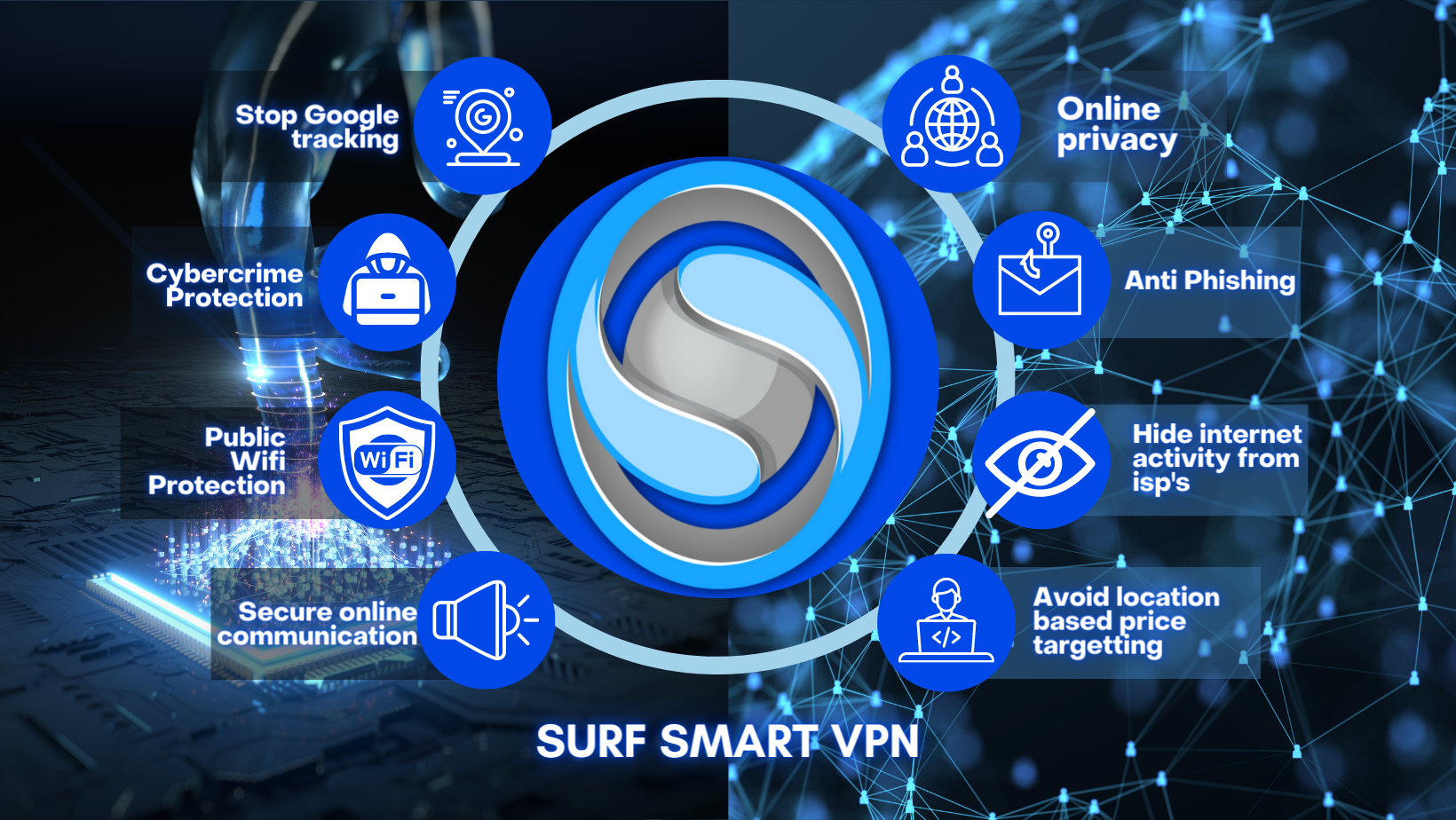
In addition to expanding content access, a VPN protects your personal information from potential threats. Many streaming services collect data on viewing habits, and a VPN helps shield your identity from prying eyes. By encrypting your internet traffic, a VPN prevents hackers and other malicious actors from intercepting your data, ensuring that your streaming experience remains private and secure.
Moreover, many streaming platforms have stringent terms of service regarding the use of VPNs. Understanding these laws is crucial for any user looking to stream content through a VPN. By employing a reliable VPN, you can avoid potential legal issues while enjoying your favorite shows and movies. This combined with the security features, like two-factor authentication, allows for a safer, more trustworthy streaming environment.
Is VPN Legal for Streaming?
The legality of using a VPN for streaming largely depends on your location and the streaming services' terms of service. In many countries, using a VPN to access content is legal, but certain streaming platforms prohibit such practices. When you use a VPN, it routes your internet traffic through servers located in different regions, allowing you to bypass geographic restrictions. However, violating a streaming service's terms could lead to account suspension or other penalties.
In areas where VPNs are legal, users often utilize them to protect their privacy and enhance security while streaming. This is particularly important for those using devices like Fire TV and Android streaming sticks, which may be susceptible to hacker attacks if not properly secured. While a VPN might provide access to a wider array of content, users should remain vigilant about compliance with legal guidelines and terms laid out by the service providers.
Ultimately, while the use of a VPN for streaming can be both legal and beneficial, understanding the local laws and service agreements is essential. To ensure a seamless streaming experience, always verify your chosen VPN's ability to align with the restrictions set by your desired platforms, taking care to maintain security and accountability through strong account protections.
How VPNs Route Your Traffic
When you use a VPN, your internet traffic is routed through a secure tunnel to a remote server operated by the VPN provider. This process masks your actual IP address, replacing it with the VPN server's IP. As a result, your online activities become less distinguishable from those of other users connected to the same server. This anonymity not only enhances your privacy but also helps you bypass geographic restrictions imposed by various streaming platforms.
The VPN server acts as an intermediary between your device and the internet. When you access a streaming service, the request first goes to the VPN server. The server then sends the request to the desired streaming platform, receives the data, and sends it back to your device. This routing ensures that your connection is encrypted and secured, preventing third parties from snooping on your online activities. Moreover, since the server might be located in a region where the desired content is accessible, it allows you to access a broader range of streaming options.
Using a VPN can also enhance your overall internet experience by providing faster connection speeds and reducing throttling from your ISP, which is especially beneficial for streaming high-quality video content. However, it is crucial to choose a reputable VPN provider that offers reliable servers and encryption protocols to truly maximize the benefits of this technology. Understanding how VPNs route your traffic is essential for anyone looking to stream content safely and securely.
Benefits of Using Streaming Sticks with VPNs
Using streaming sticks with VPNs significantly enhances your streaming experience by providing access to geo-restricted content. Many streaming platforms impose regional limitations, preventing users from accessing specific shows or movies based on their location. By utilizing a VPN, you can route your traffic through servers in different countries, effectively bypassing these restrictions and expanding your content library. This means that wherever you are, you can enjoy your favorite films and series as if you were in another region.
Another important benefit is the added layer of security that a VPN provides. Streaming sticks often connect to public Wi-Fi networks that can be vulnerable to hackers. A VPN encrypts your internet traffic, making it much more difficult for anyone to intercept your data or spy on your online activities. This encryption helps to ensure that your personal information remains private and that your streaming sessions are secure from potential threats.
Finally, using a VPN with streaming sticks can lead to improved performance in terms of buffering and connection stability. While some streaming services may throttle bandwidth for specific types of traffic, a VPN can help mask this usage, leading to smoother streaming experiences. Additionally, the combination of a VPN and a streaming stick allows users to enjoy the benefits of both anonymous browsing and high-quality streaming, making it an appealing choice for many.
Setting Up Two-Factor Authentication for VPN
Setting up two-factor authentication for your VPN is an essential step in enhancing your online security, especially when streaming content. Most reputable VPN providers offer this feature as an added layer of protection. To get started, you typically need to log into your account on the VPN provider's website. Look for the security settings or account settings option, where you will find the option to enable two-factor authentication.
Once you access the two-factor authentication settings, you'll usually have the option to choose how you want to receive your authentication codes. Common methods include using a mobile authenticator app, receiving codes via SMS, or getting emails. It is highly recommended to use an authenticator app, as it is generally more secure than SMS-based verification. After selecting your preferred method, follow the instructions provided to link it to your account.
After enabling two-factor authentication, each time you log in to your VPN, you will be prompted to enter the code sent to you or generated by your app. is vpn legal for streaming reduces the risk of unauthorized access to your account. By taking this simple step, you are ensuring that your streaming experience remains secure while using your VPN, allowing you to enjoy content without the worry of potential breaches.
Challenges with VPN and Streaming Services
Using a VPN for streaming can introduce several challenges that users need to navigate. One of the most significant issues is the detection and blocking of VPN traffic by streaming services. Many platforms have sophisticated algorithms in place to identify and restrict access from known VPN IP addresses. This means that even if you have a reliable VPN, you could still be denied access to content due to its attempt to bypass regional restrictions. Users often find themselves having to switch servers frequently to find one that works for their desired service, which can be time-consuming and frustrating.
Another challenge is the potential for reduced streaming speeds. While a good VPN can provide encryption and anonymity, it can also add latency to your internet connection. This can lead to buffering and lower video quality, especially if the VPN servers are located far from your physical location. Users streaming high-definition content may notice significant differences in performance, which can detract from the overall experience. It is crucial for users to choose a VPN that minimizes speed loss while still providing the level of privacy they require.
Lastly, understanding the legal implications of using a VPN for streaming is essential. While many people use VPNs to access content that is otherwise region-locked, this can sometimes violate the terms of service of the streaming platforms. In some regions, using a VPN to circumvent these restrictions can lead to account suspension or other penalties. Users must weigh the benefits of increased content access against the potential risks involved in using a VPN, making informed decisions about their streaming practices.
Comparing VPN Security Features
When selecting a VPN for streaming, various security features play a crucial role in safeguarding your online activity. One of the essential aspects to consider is the encryption protocols a VPN uses. Strong encryption, such as AES-256, ensures that your internet traffic is scrambled and difficult for anyone to intercept. This level of security is paramount, especially when streaming sensitive content or using public Wi-Fi networks. A VPN that employs robust encryption also helps to mitigate risks related to hacking and data breaches, allowing for a safer streaming experience.
Another important feature is the inclusion of a kill switch. This functionality cuts off your internet connection if the VPN unexpectedly disconnects, protecting your IP address from being exposed. For users streaming content through devices like Fire TV or Android streaming sticks, this feature is invaluable. It ensures that your streaming sessions remain secure, even during potential connectivity issues. Furthermore, some VPNs offer split tunneling, allowing you to route specific traffic through the VPN while letting other activities go through your regular connection. This can enhance performance and usability when streaming.
Finally, two-factor authentication adds an extra layer of security to your VPN account. This feature requires users to provide not only a password but also a secondary verification method, such as a text message code or an authentication app. By enabling two-factor authentication, you significantly reduce the risk of unauthorized access to your streaming accounts and VPN services. This is especially important for those who stream in regions with strict content regulations, ensuring that your accounts are protected from potential breaches and enhancing your overall security while enjoying your favorite shows.
Best Practices for Secure Streaming
When using a VPN for streaming, the first step to ensure security is to choose a reputable VPN provider. Look for one that offers strong encryption protocols, a no-logs policy, and a wide range of server locations. This will help protect your data as it flows through the VPN while ensuring you can bypass regional restrictions effectively. Additionally, keep your VPN software updated to benefit from the latest security features and patches.
Enabling two-factor authentication adds an essential layer of security, especially when accessing your streaming accounts. By requiring a second form of verification, such as a code sent to your mobile device, you reduce the risk of unauthorized access significantly. is vpn legal for streaming is particularly important when using public or shared networks, where potential hackers may attempt to intercept your credentials.
Lastly, always review the terms of service of the streaming platforms you access through your VPN. Some services may have specific rules regarding VPN usage, and violating these terms can lead to account suspension. By staying informed and following best practices, you can enjoy a secure and seamless streaming experience with your devices while protecting your privacy online.
Future of VPN and Two-Factor Authentication
As technology continues to evolve, the future of VPNs and two-factor authentication is likely to see significant changes. With increasing concerns about privacy and online security, more users are expected to adopt VPN services for streaming. This shift will drive VPN providers to enhance their offerings, adding features that not only secure user data but also optimize streaming performance. Innovations such as improved encryption techniques and faster servers will become paramount as users demand seamless access to their favorite content without sacrificing security.
The integration of two-factor authentication with VPN applications will become a standard practice. As cyber threats become more sophisticated, relying solely on traditional passwords for account security is no longer sufficient. Two-factor authentication adds an essential layer of protection, ensuring that even if a password is compromised, unauthorized access can be prevented. This trend will likely lead to increased user trust in VPN services, as individuals recognize the importance of safeguarding their streaming activities and personal information.
Looking ahead, regulatory frameworks surrounding the use of VPNs for streaming will continue to adapt. As different countries implement various laws regarding online privacy and content access, VPN users will need to stay informed about their rights and the legalities of using these services. The evolution of VPN technology, coupled with robust two-factor authentication, will empower users to navigate these complexities confidently, making secure and legal streaming more accessible than ever.